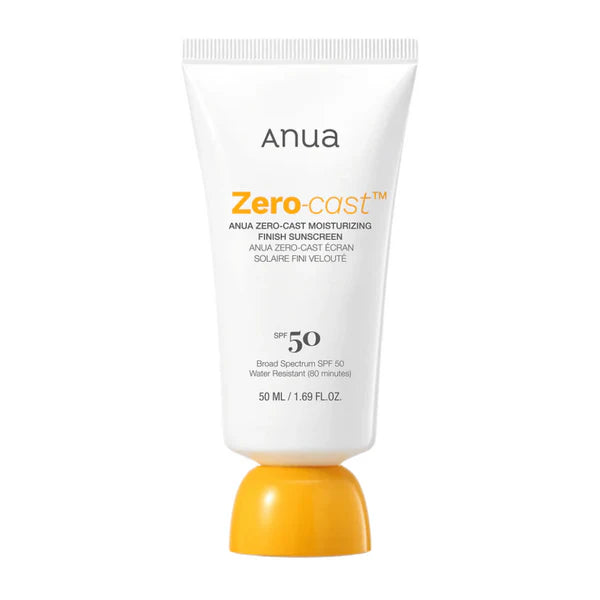

What Is the Skin Barrier?
The skin barrier is the outermost protective layer of your skin, also known as the stratum corneum. It consists of skin cells held together by natural lipids, including ceramides, cholesterol, and fatty acids.
Think of your skin barrier as a brick wall: the skin cells are the bricks, while the lipids act as the mortar that holds everything together.
A healthy skin barrier helps to:
-
Prevent excessive moisture loss.
-
Protect against environmental irritants.
-
Maintain the skin's natural hydration levels.
-
Support the skin's natural defense mechanisms.
-
Keep the skin feeling smooth, soft, and comfortable.
When the skin barrier becomes weakened, moisture can escape more easily through a process called transepidermal water loss (TEWL). At the same time, irritants can penetrate the skin more easily, making it more reactive and sensitive.
How Do You Know If Your Skin Barrier Is Weakened?
A weakened skin barrier can affect all skin types, including oily, combination, dry, and acne-prone skin.
Some of the most common signs include:
-
Dryness and tightness: Your skin feels uncomfortable or tight, even after moisturizing.
-
Redness: Your skin appears flushed or irritated more easily than usual.
-
Stinging or burning: Products that normally feel comfortable suddenly cause a stinging sensation.
-
Flaky or rough texture: Your skin develops dry patches, flaking, or uneven texture.
-
Dehydration: Your skin struggles to retain moisture and may feel dry despite producing oil.
-
Increased sensitivity: Your skin reacts more easily to skincare products, weather changes, or environmental factors.
-
Breakouts or small bumps: Irritation and changes in the skin's protective function may contribute to acne-like bumps or worsen existing skin concerns.
These symptoms can also occur with conditions such as eczema, rosacea, or contact dermatitis, so they do not automatically mean your skin barrier is damaged.
What Causes a Weakened Skin Barrier?
A weakened skin barrier can develop when the skin is exposed to more stress than it can comfortably tolerate. Several factors can contribute to this, and multiple causes may occur at the same time.

Left: damaged skin barrier right: healthy skin barrier
Best Korean Skincare Ingredients for a Weakened Skin Barrier
When your skin barrier is weakened, the goal is not to exfoliate more or introduce stronger treatments. Instead, focus on ingredients that hydrate, soothe, and replenish the skin's protective lipids.
What Should You Avoid When Your Skin Barrier Is Weakened?
When your skin is irritated, using more products does not necessarily lead to faster recovery. In fact, too many active ingredients can make symptoms worse.
Try to avoid:
-
Aggressive physical scrubs.
-
Frequent use of AHA, BHA, or other exfoliating acids.
-
Strong retinol or retinal treatments until irritation has settled.
-
Introducing multiple new skincare products at once.
-
Harsh cleansers that leave the skin feeling tight.
-
Very hot water when washing your face.
-
Fragranced products if your skin is sensitive to fragrance.
-
Excessive cleansing or rubbing.
-
Picking at dry, flaky, or irritated skin.
-
Skipping moisturizer.
You do not necessarily need to stop every active ingredient permanently. Once your skin feels comfortable again, you can gradually reintroduce suitable products, one at a time.

What Can Korean Skincare Actually Do for a Weakened Skin Barrier?
Korean skincare can help support the skin's protective barrier by focusing on hydration, soothing ingredients, and moisture retention.
However, it is important to understand what skincare can realistically achieve.
- Help replenish moisture and reduce dryness
- Support the skin's natural barrier function
- Help reduce tightness and discomfort
- Replenish barrier-supporting lipids
- Soothe the appearance of irritated skin
- Help maintain smoother, softer, more comfortable skin
- Repair severely irritated skin overnight
- Guarantee that irritation will never return
- Instantly eliminate all redness or sensitivity
- Treat every underlying skin condition
- Replace medical treatment for eczema or dermatitis
- Make the skin permanently resistant to irritation