Fungal Acne Do’s & Don’ts: How to Care for Fungal Acne-Prone Skin
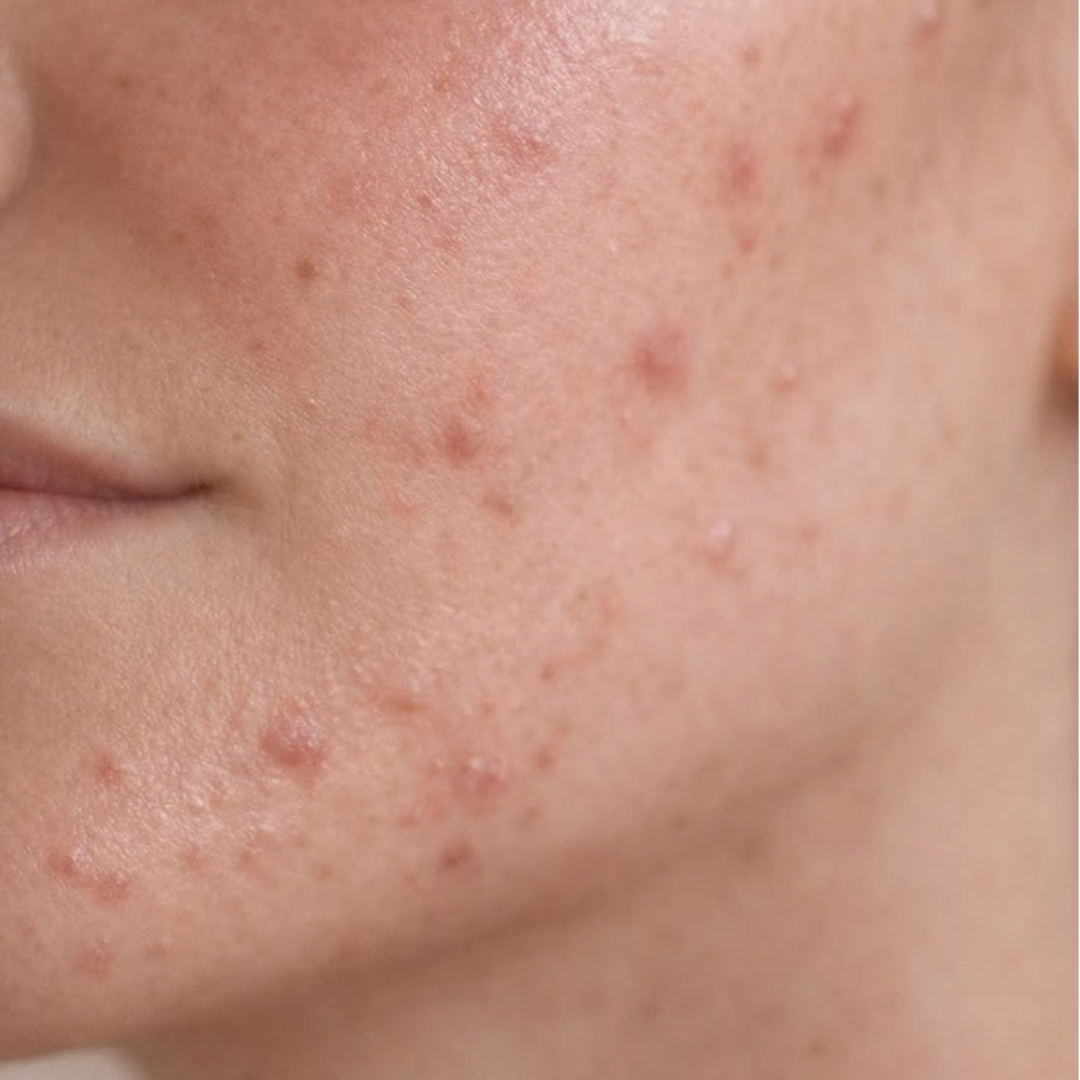
Dealing with small, stubborn bumps that keep coming back? When you suspect fungal acne, it can be tempting to completely change your skincare routine, avoid dozens of ingredients or start exfoliating more often.
But fungal acne-prone skin doesn't necessarily need a more complicated routine.
Fungal acne, also known as Malassezia folliculitis, is associated with an overgrowth of Malassezia yeast around the hair follicles. Because it can look very similar to traditional acne, understanding what to do, and what not to do, can help you avoid some common skincare mistakes.
In Part 1 of our fungal acne guide, we explained what fungal acne is, common triggers and ingredients often used for fungal acne-prone skin. This time, we're focusing entirely on the practical side.
Here are the most important do's and don'ts for fungal acne-prone skin.
DO: Know what you're dealing with
Before completely changing your skincare routine, remember that not every small bump is fungal acne.
Fungal acne often appears as clusters of small, relatively uniform bumps and may feel itchy. It commonly develops around the forehead and hairline, but can also appear on the chest, shoulders and upper back.
Traditional acne, on the other hand, can include several different types of blemishes at the same time, such as blackheads, whiteheads and inflamed pimples.
Other skin concerns can also cause small bumps and uneven texture.
That's why it's important not to diagnose fungal acne based on appearance alone. If the bumps are persistent, very itchy or keep returning, a dermatologist or healthcare professional can help determine what you're actually dealing with.
DON'T: Treat every bump like traditional acne
See bumps, grab an acne treatment?
Not necessarily.
Traditional acne and Malassezia folliculitis don't have exactly the same underlying cause. This means repeatedly adding products designed for clogged pores may not address the actual problem if you're dealing with fungal acne.
Using more and more acne treatments can also leave your skin dry and irritated.
Instead of immediately adding another active ingredient, first look at your overall routine and how your skin is behaving.
DO: Keep your skincare routine simple
When your skin is irritated or breaking out, more products aren't always better.
A simple routine makes it easier to see how your skin responds and helps prevent you from overwhelming it with unnecessary active ingredients.
Your routine doesn't need ten different steps.
Focus on the basics:
Morning:
Gentle cleansing → Hydrating toner → Moisturizer → Sunscreen
Evening:
Cleanse → Toner → Hydrating or targeted treatment → Lightweight moisturizer
Once your skin feels comfortable with the basics, you can introduce additional products gradually.
DON'T: Change everything at once
A breakout can make you want to replace your cleanser, toner, serum and moisturizer all at the same time.
The problem is that if your skin improves, or gets worse, you won't know which product was responsible.
Introduce new skincare products one at a time whenever possible.
Give your skin the opportunity to adjust and observe how it responds before adding something else.
This is especially helpful if you have sensitive or reactive skin.

DO: Cleanse your skin gently
Cleansing helps remove excess sebum, sweat, sunscreen, makeup and impurities that accumulate throughout the day.
But your skin doesn't need to feel tight or squeaky clean afterwards.
Choose a cleanser that effectively cleanses without leaving your skin feeling excessively dry or uncomfortable.
After sweating heavily, gently cleansing or showering can also help remove sweat and buildup from areas that are prone to bumps.
DON'T: Over-cleanse your skin
If your skin is oily, washing it repeatedly throughout the day might seem like the solution.
It isn't necessarily.
Over-cleansing can strip the skin and contribute to dryness, tightness and irritation.
The goal isn't to remove every trace of oil from your skin. Sebum is a normal part of healthy skin.
Instead, aim for a routine that keeps your skin clean while maintaining a comfortable skin barrier.
DO: Pay attention to sweat
Do your bumps become more noticeable during summer or after working out?
Malassezia tends to thrive in warm and humid environments, making sweat and heat important factors to consider.
After heavy sweating:
- Change out of sweaty clothing.
- Shower when possible.
- Keep sweaty hair away from your forehead.
- Gently cleanse areas where sweat accumulates.
- Choose breathable clothing when exercising.
These small habits can be particularly useful if you experience bumps on your chest, shoulders or back.
DON'T: Stay in sweaty clothing for hours
Your gym outfit may be comfortable, but staying in damp, tight clothing for long periods can create a warm and humid environment against the skin.
This is especially relevant if you're prone to bumps on the back, chest or shoulders.
Try to change into clean, dry clothing after exercising rather than waiting several hours.
DO: Look at your haircare routine
If you mainly experience bumps around your forehead, temples and hairline, your facial skincare may not be the only thing worth checking.
Shampoo, conditioner, hair masks, styling creams and hair oils can all come into contact with the skin.
When washing your hair, rinse conditioner and masks thoroughly.
You may also prefer to cleanse your face after washing your hair so you can remove any remaining haircare residue from the forehead and hairline.
If you use rich leave-in treatments or oils, try to keep them away from your face when possible.
DON'T: Forget about products that touch your skin
Skincare isn't the only thing that comes into contact with your face.
Think about:
- Pillowcases.
- Towels.
- Makeup brushes.
- Hats and caps.
- Headbands.
- Phone screens.
- Sports equipment.
These surfaces can accumulate sweat, sebum and product residue.
Keeping items that frequently touch your face clean is a simple habit that can complement your skincare routine.
DO: Keep your skin hydrated
One of the biggest misconceptions about oily and acne-prone skin is that it doesn't need moisturizer.
But oil and water aren't the same thing.
Your skin can produce plenty of sebum and still be dehydrated.
Lightweight hydration can help keep the skin comfortable without necessarily making it feel heavy or greasy.
Depending on your skin, you might prefer:
- Lightweight hydrating toners.
- Essences.
- Water-based serums.
- Gel moisturizers.
- Lightweight lotions.
The right texture depends on what feels comfortable for your skin.
DON'T: Try to dry out your skin
Using harsh cleansers, skipping moisturizer and applying several drying treatments may seem like a logical approach when your skin feels oily.
But excessively drying your skin can contribute to irritation and a weakened skin barrier.
If your skin starts feeling tight, flaky, sensitive or uncomfortable, that's not necessarily a sign that your products are “working.”
Your skincare routine should help your skin feel balanced and comfortable, not stripped.
DO: Support your skin barrier
When you're dealing with bumps, it's easy to focus entirely on active ingredients.
But your skin barrier deserves attention too.
Ingredients that can complement a gentle, barrier-focused routine include:
Panthenol – Helps hydrate and soothe dry or uncomfortable skin.
Ceramides – Help support the natural lipid barrier and reduce excessive moisture loss.
Beta-Glucan – Helps hydrate and support skin comfort.
Centella Asiatica – A popular soothing ingredient in Korean skincare.
These ingredients aren't treatments for Malassezia folliculitis itself. Instead, they can help support hydrated, comfortable skin while you keep your routine gentle.
DON'T: Over-exfoliate
More exfoliation doesn't automatically mean fewer bumps.
AHA, BHA and other exfoliating ingredients can be useful for removing accumulated dead skin cells and improving concerns such as clogged pores and uneven texture.
However, using too many exfoliating products or using them too frequently can lead to irritation.
Be especially careful about combining several exfoliating products, such as:
- Exfoliating cleansers.
- Acid toners.
- Toner pads.
- Exfoliating serums.
- Peeling treatments.
You may unknowingly be exfoliating your skin much more frequently than you think.
Follow the instructions of your individual products and pay attention to how your skin responds.

DO: Consider what's happening on your body too
Fungal acne isn't limited to the face.
Malassezia folliculitis can also appear on areas such as the:
- Chest.
- Upper back.
- Shoulders.
- Upper arms.
If you regularly experience small bumps in these areas, consider factors such as sweat, tight clothing and products that come into contact with your body.
Even your shower routine may matter. For example, after rinsing conditioner or a hair mask, thoroughly rinsing the skin on your back can help remove leftover product residue.
DON'T: Assume every body breakout is fungal acne
Bumps on the chest and back can have different causes.
Traditional body acne, irritation and other types of folliculitis can sometimes look similar to Malassezia folliculitis.
If you're not seeing improvement despite adjusting your routine, don't automatically make your “fungal acne routine” stricter.
The bumps may have a different underlying cause.
DO: Wear sunscreen
Fungal acne-prone skin still needs sun protection.
Use a sunscreen that feels comfortable for your skin and that you're happy to wear consistently.
If you have oily skin, you may prefer lightweight fluid, gel or serum-like sunscreens rather than very rich formulas.
Daily sunscreen is especially important if your routine also contains exfoliating ingredients or other actives.
DON'T: Skip sunscreen because you're breaking out
Skipping sunscreen isn't the solution to acne-like bumps.
UV exposure can affect the skin and may make post-breakout discoloration more noticeable.
Instead, experiment with textures until you find a sunscreen that works comfortably with your skin.
A simple fungal acne safe routine
Anua's Heartleaf Quercetinol Pore Deep Cleansing Foam is a purifying facial cleanser designed to deeply cleanse pores while remaining gentle on the skin. Especially suitable for acne-prone and oily skin, this cleansing foam helps remove dead skin cells, excess sebum, and impurities that can clog pores and lead to breakouts. Formulated with Houttuynia Cordata (Heartleaf) powder, the cleanser provides mild exfoliation to clear buildup and refine the skin’s texture without causing irritation. The slightly grainy texture works to purify pores effectively, while glycerin helps maintain the skin’s moisture balance, preventing dryness or tightness after cleansing. Salicylic acidsupports pore care and offers anti-acne benefits by helping to keep pores clear and skin balanced.
EQQUALBERRY's Swimming Pool Daily Facial Toner is a refreshing, hypoallergenic daily toner that delivers deep hydration while gently smoothing the skin, perfect for anyone who wants mild exfoliation without the sting of acids. Designed to feel like a “moisture dip” for the face, this renewed version of the Swimming Pool Toner uses protease enzymes, a plant-derived exfoliating ingredient that naturally dissolves dead skin cells and helps unclog pores with minimal irritation. This makes it an excellent option for sensitive skin types who want smoother texture and clearer pores while still being able to use it comfortably every day.
Anua’s Azelaic Acid 10 Hyaluron Redness Soothing Serum is a lightweight, calming treatment created to reduce redness, soothe irritation, and keep breakouts in check, making it especially suitable for sensitive, acne-prone, or rosacea-leaning skin. Thoughtfully formulated as a gentle introduction to azelaic acid, this serum delivers effective results while remaining comfortable and easy to use in daily routines. At the core of the formula is 10% azelaic acid (derived from wheat and barley), a multitasking ingredient known for targeting acne-causing bacteria, supporting skin renewal, and helping improve the look of hyperpigmentation and uneven tone.
Purito's Oat-In Calming Gel Cream is a lightweight, refreshing moisturizer designed to calm sensitive skin while delivering long-lasting hydration and barrier support. With its clear gel texture, this cream absorbs instantly into the skin, leaving a comfortable, non-greasy finish, making it especially suitable for oily, combination, and sensitive skin. The formula is enriched with Avena Sativa (oat) seed water, a soothing ingredient known for its calming and skin-fortifying properties. Oat helps reduce visible irritation and dryness while supporting a healthier, more balanced complexion.
SKIN1004’s Madagascar Centella Hyalu-Cica Water-Fit Sun Serum is a lightweight, serum-like sunscreen that delivers powerful SPF50+ PA++++ protection while soothing and hydrating the skin. This organic, reef-safe formula is crafted with a “Hyalu-Cica” blend, a golden ratio of hyaluronic acid for deep moisture and Centella asiatica extractfor calming irritated or sensitive skin. The result is a sun protection product that feels more like skincare than sunscreen, absorbing quickly without leaving a white cast or sticky residue. To enhance antioxidant defense and support overall skin health, the sun serum includes seven sprout extracts, such as arugula leaf, green tea, and broccoli, ingredients rich in vitamins and minerals that help protect the skin from environmental stressors while improving its resilience and clarity.
SOME BY MI’s AHA, BHA, PHA 30 Days Miracle Acne Clear Body Cleanser is a powerful yet skin-friendly body wash designed to target body acne, clogged pores, and rough texture. Formulated with a combination of AHA and PHA, it gently exfoliates the skin’s surface to remove dead skin cells and smooth uneven areas, while BHA penetrates deeper into the pores to dissolve excess sebum and reduce acne-causing buildup, making it ideal for areas like the back, chest, and shoulders. To further calm and strengthen the skin, the cleanser contains 10,000 ppm of Truecica™, SOME BY MI’s signature soothing complex, along with houttuynia cordata extract, both known for reducing redness, irritation, and inflammation associated with body breakouts.